
"per capita coffee China"
200 article(s) found

The struggle among the three factions of Chinese cafes in the Internet era
Quickly expand the cafe, carving time into the Internet, Starbucks to do direct camp, coffee with you, diffuse coffee and other Korean coffee is still busy to join, behind the mellow coffee shop, the market competition has entered a white-hot stage. Titanium media note: China's current per capita annual coffee consumption is 5 cups, which is far lower than the annual per capita level of about 300 cups in Japan and South Korea.

How far is China from being a big coffee consumer?
In Fushan, a small town in the western corner of Hainan, fragrant cafes are full all the year round, and local residents consume more than 200 cups of coffee per capita each year. This astonishing consumption impressed coffee suppliers from all over the world who came here to participate in the International barista Championship. Chinese people began to be interested in coffee culture, which made me see the huge market potential. Ethiopian federal democracy

Refit picture of mobile coffee car
Opening a coffee shop is the dream of many people. At present, China has 5 cups of coffee per capita, which is far lower than about 240 cups per capita in Japan and South Korea. There is a huge market space for the coffee industry. If you want to open a coffee shop, you have to choose a good location in addition to the good taste of coffee, but the rent for a good location is relatively high, so the investment to open a coffee shop is generally large. Is there a good position and less investment?

How far is China from being a big coffee consumer? China Coffee Trading Network
In Fushan, a small town in the western corner of Hainan, fragrant cafes are full all the year round, and local residents consume more than 200 cups of coffee per capita each year. This astonishing consumption impressed coffee suppliers from all over the world who came here to participate in the International barista Championship. Chinese people began to be interested in coffee culture, which made me see the huge market potential. Ethiopia

Investment in coffee industry brand domestic and international market analysis development space to see the potential
With the rise of the middle class, drinking coffee has become a fashion. In China, the magnificent rise of the middle class is a fact that can not be ignored. He has a strong spending power, the pursuit of quality of life and fashion, unprecedented; the definition and pursuit of life is no longer the traditional concept, the pursuit of personal health has become the main pursuit. In terms of leisure drinks, drinking tea, he
Coffee common sense how far is China from a big coffee consumer?
In Fushan, a small town in the western corner of Hainan, fragrant cafes are full all the year round, and local residents consume more than 200 cups of coffee per capita each year. This astonishing consumption impressed coffee suppliers from all over the world who came here to participate in the International barista Championship. Chinese people began to be interested in coffee culture, which made me see the huge market potential. Ethiopian federal democracy

How far is China's coffee market from a big coffee consumer?
In Fushan, a small town in the western corner of Hainan, fragrant cafes are full all the year round, and local residents consume more than 200 cups of coffee per capita each year. This astonishing consumption impressed coffee suppliers from all over the world who came here to participate in the International barista Championship. Chinese people began to be interested in coffee culture, which made me see the huge market potential. Ethiopian federal democracy

Interviews with entrepreneurs in the coffee industry Coffee Road
Although the current coffee market in China sales growth rate of more than 30%. However, China's per capita consumption of coffee is only 0.01 cups per day. Compared with the developed countries in the world, China's coffee market still has considerable potential to be tapped. China's coffee market receives global attention At the Beijing International Science and Technology Exhibition Center, more than half of the coffee companies occupy the first place

How far is the coffee market from China to a big coffee consumer?
In Fushan, a small town in the western corner of Hainan, fragrant cafes are full all the year round, and local residents consume more than 200 cups of coffee per capita each year. This astonishing consumption impressed coffee suppliers from all over the world who came here to participate in the International barista Championship. Chinese people began to be interested in coffee culture, which made me see the huge market potential. Ethiopian federal democracy
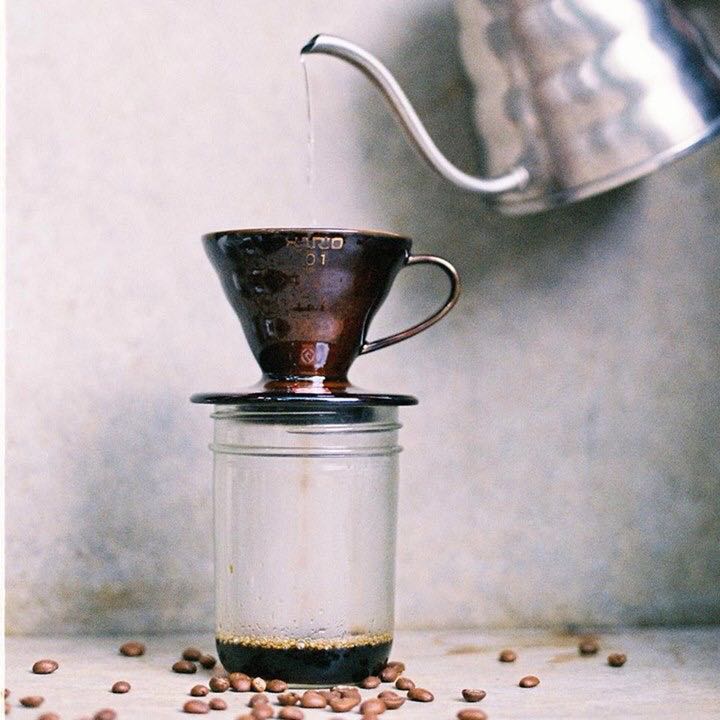
You can't drink coffee with milk? This is a misunderstanding.
According to the data, the current market size of coffee in China is about 70 billion yuan, with an annual growth rate of more than 15%. Experts predict that domestic coffee consumption will reach 300 billion yuan in 2020. At present, the per capita annual coffee consumption in China is 5 cups, which is far lower than the average of about 300 cups per capita in Japan and South Korea, and also far lower than the world average of about 240 cups. Therefore, China is becoming the world.

The present situation of Coffee Development-- International comparison of Coffee consumption and drinking structure
From the perspective of coffee drinking structure, globally, ground coffee accounts for more than 87% of the total coffee consumption, while instant coffee accounts for less than 13%. In China, instant coffee is the largest segment of the coffee consumption market, accounting for 84% of the market share. The market share of freshly ground coffee is only about 16%. From the above data and facts, we can see that chain brand management is coffee.
Per capita coffee consumption World top10 Nordic Coffee
In 2013, Euromonitor released a list of coffee consumers based on annual coffee consumption per capita. Let's take a look. In terms of annual per capita consumption, people in those countries in the world drink coffee the most. The world's first coffee drinker was Yemen in the 15th century, but when we talk about early coffee drinkers, the first thing you think of is Paris or Rome, but
Guangzhou specialty coffee recommended by the top 10 refreshing cafes in Guangzhou
Coffee shop, to create a British style, or French feelings, or ethnic customs, or leisure and warm atmosphere. Provide us with the solitude of being alone, the romance of two people living together, the pace of life of a group of happy urbanites passing faster and faster, in limited leisure, if we can experience the idleness and serenity of that moment in the cafe, what a pleasant life! Caf10

The profiteering price of Starbucks China is nearly 10 times the cost of materials.
Starbucks has said its pricing is based on a combination of operating costs such as raw materials and equipment, infrastructure investment, logistics and transportation, employee compensation and benefits, rent, exchange rates and import duties. Compared with the United States, the raw material cost of Starbucks coffee in China has increased the logistics cost and tariff cost of shipping from the United States to China, and the rising cost is higher for China.
Pacific Coffee Plan China opens 1000 stores to catch up with Starbucks
China Resources Entrepreneurship, which just entered the coffee chain last year, is rapidly enclosing its horses in mainland China. Yesterday, China Resources's Pacific Coffee Beijing International Trade Store officially opened to the public, its 13th direct store since it opened its first mainland coffee chain in Shanghai in April this year. The company plans to expand its mainland stores to 50 by the end of this year. Yesterday, Pacific Coffee first
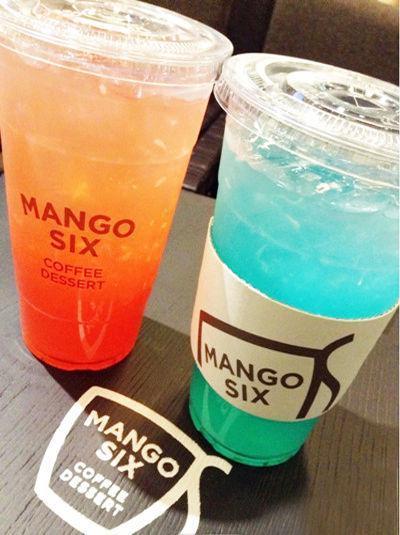
Which Mudu Korean chain cafe is strong?
Korean coffee shops such as Coffee Coffee, Man Coffee and Zoo Coffee, which were the first to enter China, have successfully achieved rapid expansion, but the editor feels that this is only the beginning of the overall expansion of Korean brands. Compared with European and American coffee, such as Starbucks, which has a history of several decades, Korean coffee brands are very young and have been in China for a short time, but they are expanding very fast, like a wave of Korean waves.

What is the price of Starbucks in China?
[Starbucks: high price because guests stay for hours] Calver, president of Starbucks China and Asia Pacific, explained that Starbucks China Cafe is much larger than the United States, because most Chinese customers like to stay in the store for a few hours, while 80% of American customers leave as soon as they get the coffee. Imagine if one day you walked into Starbucks and found a large cup.

The average person who drinks 20 cups of coffee in Beijing is only 1 cup of coffee in Japan.
The two largest industries on earth are black liquids, the first is undrinkable oil, and the second is delicious and mellow coffee. China, which has a strong tea culture, has a broad potential for coffee consumption. Statistics show that although China's coffee market has a small base at present, in many large and medium-sized cities, the number of coffee professional venues is about 25% every year.

Starbucks responds to China's profiteering: the price is 10 times the cost of materials
The price is nearly 10 times the cost of materials. Even the price of a mug made in China is nearly half more expensive than that in the United States. It is not just coffee that Starbucks sells MadeinChina mugs. After adding tariffs and transportation costs, the price in the United States is even cheaper than that in China. Miss Zhu, who traveled to the United States during National Day holiday.

The potential of Chinese coffee market is unlimited-domestic coffee is developing continuously.
The substitution of coffee for tea is expected to increase coffee consumption per capita. According to statistics, from 2007 to 2015, the number of teahouses in China increased from 48842 to 50984, an increase of 4%. Compared with the tepid development of teahouses, the number of cafes in China has doubled in the past few years from 15898 in 2007 to 39783 in 2015. So it can be seen from these data that Chinese coffee